
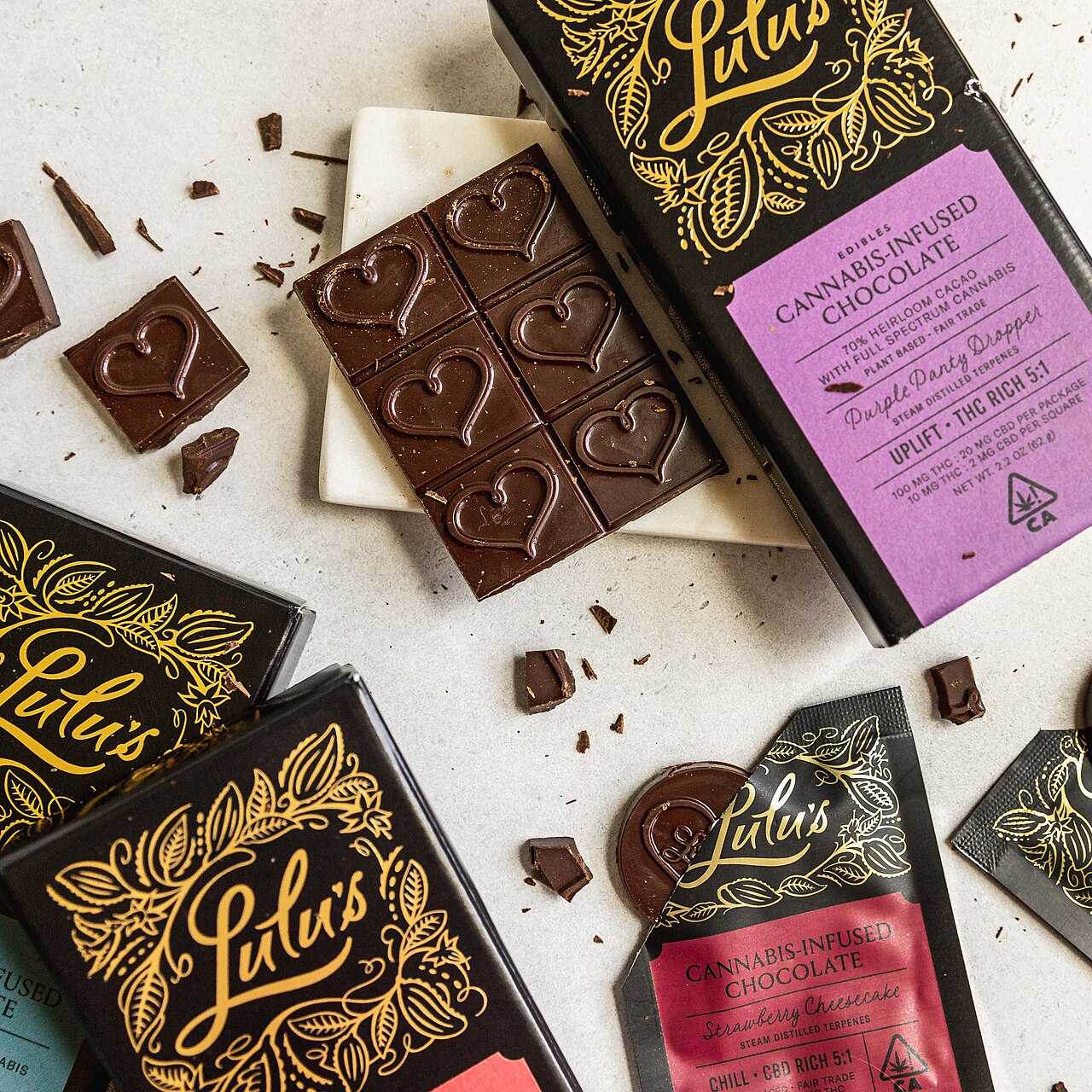
CBD Chocolate (Cannabis), Source https://www.flickr.com/photos/elsaolofsson/50211861501, Author Elsa Olofsson (Creative Commons Attribution 2.0 Generic)
The accidental ingestion by children of drugs has become a serious public health concern.
A study of poison center data earlier this year showed an astounding 3307% increase between 2000 and 2024, with more than 41,000 children under the age of 6 impacted [1][2]. Some 2000 had life threatening or disabling symptoms including respiratory depression, seizures, and coma. Six died.
Much of this (84%-85%) was marijuana related, with around half of ingestions involving marijuana edibles. Other substances to which children were exposed included stimulants like cocaine and methamphetamine (8%), psychedelics like LSD and MDMA a/k/a ecstasy (3-4%), opioids like morphine, oxycodone, and fentanyl (2-3%), and dissociatives like ketamine and PCP (0.6%).
Medical marijuana is now legal in 41 states, and recreational marijuana legal in 24 [3]. Though intended for adult consumption, both medical and recreational cannabis edibles are available as gummies, lollipops, chocolates, and baked goods. For young children, these items are, for all practical purposes, indistinguishable from their harmless counterparts.
Do we need to be told that medications and recreational drugs (including cannabis edibles) should be stored out of sight and reach of young children?
A study in 2025 by the Prevention Policy Group and other experts had already warned that — despite legal restrictions on their use — social media ads for marijuana were reaching children and adolescents, potentially encouraging them to try cannabis [4][5].
None of this should surprise us. The United States is the world’s largest customer for illegal drugs, and has among the highest rates of drug abuse and overdose deaths globally [6][7].
Nearly half of all Americans aged 12 and older have used an illicit substance at least once in their lives [8A]. As of 2023, approximately 59.3 million individuals aged 12 and older (fully 21.4% of the American population) reported using illegal drugs or misusing prescription drugs within the prior year [8B].
Children imitate the adults around them, and young children are especially vulnerable. If parents are under the influence, they are hardly likely to take measures to protect their children of any age.
—
[1] US News, “Shocking Increase in Children Accidentally Eating Weed, Other Recreational Drugs” by Healthday, 9/1/26, https://www.usnews.com/news/health-news/articles/2026-09-01/shocking-increase-in-children-accidentally-eating-weed-other-recreational-drugs.
[2] National Institutes of Health, National Library of Medicine, National Center for Biotechnology Information, “Unintentional ingestion of recreational drugs among young children, 2000-2024” by Kristen Uskovich, et al, 6/24/26, https://pubmed.ncbi.nlm.nih.gov/42343328/.
[3] Wikipedia, “Legality of cannabis by US jurisdiction”, https://en.wikipedia.org/wiki/Legality_of_cannabis_by_U.S._jurisdiction.
[4] CNN, “Marijuana ads are enticing kids to try weed, study says” by Sandee LaMotte, 2/12/25, https://www.cnn.com/2025/02/12/health/marijuana-ads-child-danger-wellness/.
[5] Powers Health, “Experts Warn Marijuana Ads Are Reaching Kids Through Social Media” by HealthDay News, 2/13/25, https://www.powershealth.org/about-us/newsroom/health-library/2025/02/13/experts-warn-marijuana-ads-are-reaching-kids-through-social-media.
[6] Wikipedia, “Drugs in the United States”, https://en.wikipedia.org/wiki/Drugs_in_the_United_States.
[7] United Nations Office on Drugs and Crime, “World Drug Report 2025”, https://www.unodc.org/unodc/frontpage/2025/June/wdr25.html.
[8A and 8B] Addiction Help, “USA Addiction Statistics — General US Addiction Statistics” by Jessica Miller, https://www.addictionhelp.com/addiction/statistics/.
FOR MORE OF MY ARTICLES ON POVERTY, POLITICS, AND MATTERS OF CONSCIENCE CHECK OUT MY BLOG A LAWYER’S PRAYERS AT: https://alawyersprayers.com


