Tag Archives: self-sabotage

Poor Pitiful Me – The Victim Mentality

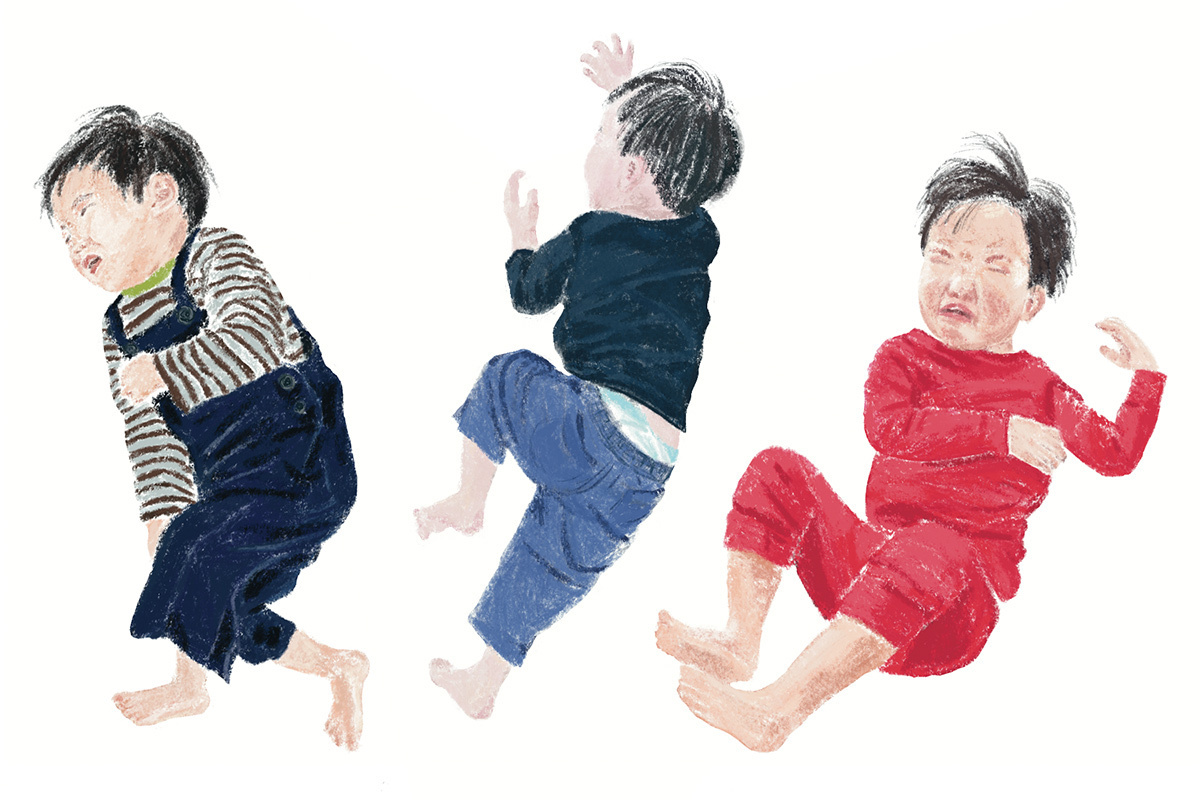
“Screaming and Watercolors” by Teresa Wong, Source The Walrus https://thewalrus.ca/good-mom-on-paper/

Whether we have been the victims of trauma or not, some of us adopt a victim mentality. 

We view the whole world as against us, and our “luck” as consistently bad [1][2].  We see ourselves as constantly wronged or treated unfairly.  We avoid taking personal responsibility, instead blaming our life choices (and their consequences) on others.  We have difficulty with change.  We can reject helpful suggestions outright.

Like toddlers, we may throw a tantrum, if our victimhood is challenged.

This is learned helplessness.  It results in frustration, resentment, and loneliness.

Maladaptive Coping

Self-pity as expressed in a negative view towards life is a maladaptive coping mechanism.  Meant to protect us against further disappointment, it is, in the long run, emotionally crippling. 

While adopting a “poor, pitiful me” attitude can generate sympathy, it does little or nothing to build character or promote personal growth.  The attitude is closely linked to self-sabotage, and not uncommonly associated with a narcissistic personality focused on entitlement. 

We may think we are avoiding risk.  But we are actually avoiding life, and all it has to offer.  Indeed, the chances are that we will attract only those with the same propensity for self-pity and complaint. Continue reading

28 Comments

Filed under Child Abuse, Child Molestation, Christianity, domestic abuse, domestic violence, Emotional Abuse, Neglect, Physical Abuse, Religion, Sexual Abuse

Gomer – A Study in Self-Sabotage

“Head of a Woman with Her Hair Loose” by Vincent van Gogh, Van Gogh Museum, Amsterdam, Author Dennis Jarvis (CC BY-SA 2.0 Generic)

The biblical prophet Hosea lived during a dark period in Israel’s history, around the 8th Century BC.  Though prosperous, the Northern Kingdom had turned away from the one true God, instead worshipping idols.

Against this backdrop, God’s puzzling direction to Hosea was that he should marry a prostitute:

Go, take yourself a wife of harlotry And children of harlotry, For the land has committed great harlotry By departing from the Lord” (Hosea 1: 2).

Hosea’s troubled relationship with his wife, Gomer, becomes a metaphor for God’s relationship with Israel [1].

Gomer bears Hosea three children, whose names are symbolic of the spiritual deterioration of Israel [2].  But Gomer is repeatedly unfaithful.  Hosea even questions the paternity of the younger children.

Despite that, Hosea is commanded by God to love Gomer (Hosea 3: 1).  God warns Israel of terrible chastisement to come for its sin [3].  Hosea is not though described as punishing Gomer.  Rather, he ransoms her out of slavery.

We can infer that Hosea provides Gomer food and clothing, and treats her tenderly.  Ultimately, Hosea forgives Gomer’s infidelity as God forgives Israel’s.

Motivation

Since Gomer does not speak, we are left to wonder about her motivation.  Here she is, rescued from a life of degradation.  Yet she does not – or cannot – remain faithful.  Did she feel ignored by Hosea?  Did she long for male attention and admiration?  For the excitement of the streets (or the sensuality of pagan worship)?

Self-Sabotage

Why can what we know is wrong sometimes feel so “right”?  For abuse victims, self-sabotage may be part of the answer.

Self-sabotage is the expression of low self-esteem.  Any behavior which undermines our success can fall into this category.  Examples include binge drinking, engaging in unprotected sex, and selecting an alcoholic life partner.  The behavior may be conscious or unconscious.

“Typically, one’s pattern of self-sabotage is closely related to one’s personal issues and family history.   Survivors who grew up in addictive families may self-sabotage by driving while drunk… Survivors from violent families may…[be] beaten or injured.   Survivors from wealthy families often find themselves losing money, getting swindled or making bad investments.  Studies have shown that survivors of child sexual abuse are more likely to be assaulted as adults [4].”

This is not to suggest that abuse victims are responsible for the abuse inflicted on them.  Nor is it meant to imply that victims want to be re-victimized. Continue reading

14 Comments

Filed under Child Abuse, Christianity, Emotional Abuse, Neglect, Physical Abuse, Prostitution, Religion, Sexual Abuse, Violence Against Women

Gomer – A Study in Self-Sabotage

“Thoughts of the Past” by John Spencer Stanhope (1859), Tate Museum, PD Art (PD-old-100)

The biblical prophet Hosea lived during a dark period in Israel’s history, around the 8th Century BC.  Though prosperous, the Northern Kingdom had turned away from the one true God, instead worshipping idols.

Against this backdrop, God’s puzzling direction to Hosea was that he should marry a prostitute:

Go, take yourself a wife of harlotry And children of harlotry, For the land has committed great harlotry By departing from the Lord” (Hosea 1: 2).

Hosea’s troubled relationship with his wife, Gomer, becomes a metaphor for God’s relationship with Israel [1].

Gomer bears Hosea three children, whose names are symbolic of the spiritual deterioration of Israel [2].  But Gomer is repeatedly unfaithful.  Hosea even questions the paternity of the younger children.

Despite that, Hosea is commanded by God to love Gomer (Hosea 3: 1).  God warns Israel of terrible chastisement to come for its sin [3].  Hosea is not though described as punishing Gomer.  Rather, he ransoms her out of slavery.

We can infer that Hosea provides Gomer food and clothing, and treats her tenderly.  Ultimately, Hosea forgives Gomer’s infidelity as God forgives Israel’s.

Motivation

Since Gomer does not speak, we are left to wonder about her motivation.  Here she is, rescued from a life of degradation.  Yet she does not – or cannot – remain faithful.  Did she feel ignored by Hosea?  Did she long for male attention and admiration?  For the excitement of the streets (or the sensuality of pagan worship)?

Self-Sabotage

Why can what we know is wrong sometimes feel so “right”?  For abuse victims, self-sabotage may be part of the answer.

Self-sabotage is the expression of low self-esteem.  Any behavior which undermines our success can fall into this category.  Examples include binge drinking, engaging in unprotected sex, and selecting an alcoholic life partner.  The behavior may be conscious or unconscious.

“Typically, one’s pattern of self-sabotage is closely related to one’s personal issues and family history.   Survivors who grew up in addictive families may self-sabotage by driving while drunk… Survivors from violent families may…[be] beaten or injured.   Survivors from wealthy families often find themselves losing money, getting swindled or making bad investments.  Studies have shown that survivors of child sexual abuse are more likely to be assaulted as adults [4].”

This is not to suggest that abuse victims are responsible for the abuse inflicted on them.  Nor is it meant to imply that victims want to be re-victimized. Continue reading

7 Comments

Filed under Child Abuse, Christianity, Emotional Abuse, Neglect, Physical Abuse, Prostitution, Religion, Sexual Abuse, Violence Against Women

Falling Knives, Part 2

“Self-Injury Awareness Day – Open Your Eyes. Open Your Heart.” Photo by AndyCandy94 (CC0 1.0 Universal Public Domain Dedication).

And always, night and day, he was in the mountains and in the tombs, crying out and cutting himself with stones” (Mark 5: 5) [1].

For many abuse victims, assaults on ourselves are more than an emotional echo of earlier trauma, more than metaphorical.

Non-Suicidal Self-Injury (NSSI)

Non-Suicidal Self-Injury or NSSI (commonly known as “cutting”) is generally viewed as an attempt to deal with emotional pain [2]. Estimates suggest that as many as 14% of teens engage in cutting, at one time or another [3].  But adults are not immune.

In sexual molestation and rape, the violation involves the body. Therefore, the body becomes the “enemy”. Self-inflicted injury is one way this can manifest. But negative feelings ranging from loneliness, worthlessness, and shame to stress, rage, and racing thoughts may prompt the same behavior [4]. Continue reading

Leave a comment

Filed under Child Abuse, Christianity, Emotional Abuse, Neglect, Physical Abuse, Religion, Sexual Abuse, Violence Against Women