Category Archives: domestic abuse

Poor Pitiful Me – The Victim Mentality

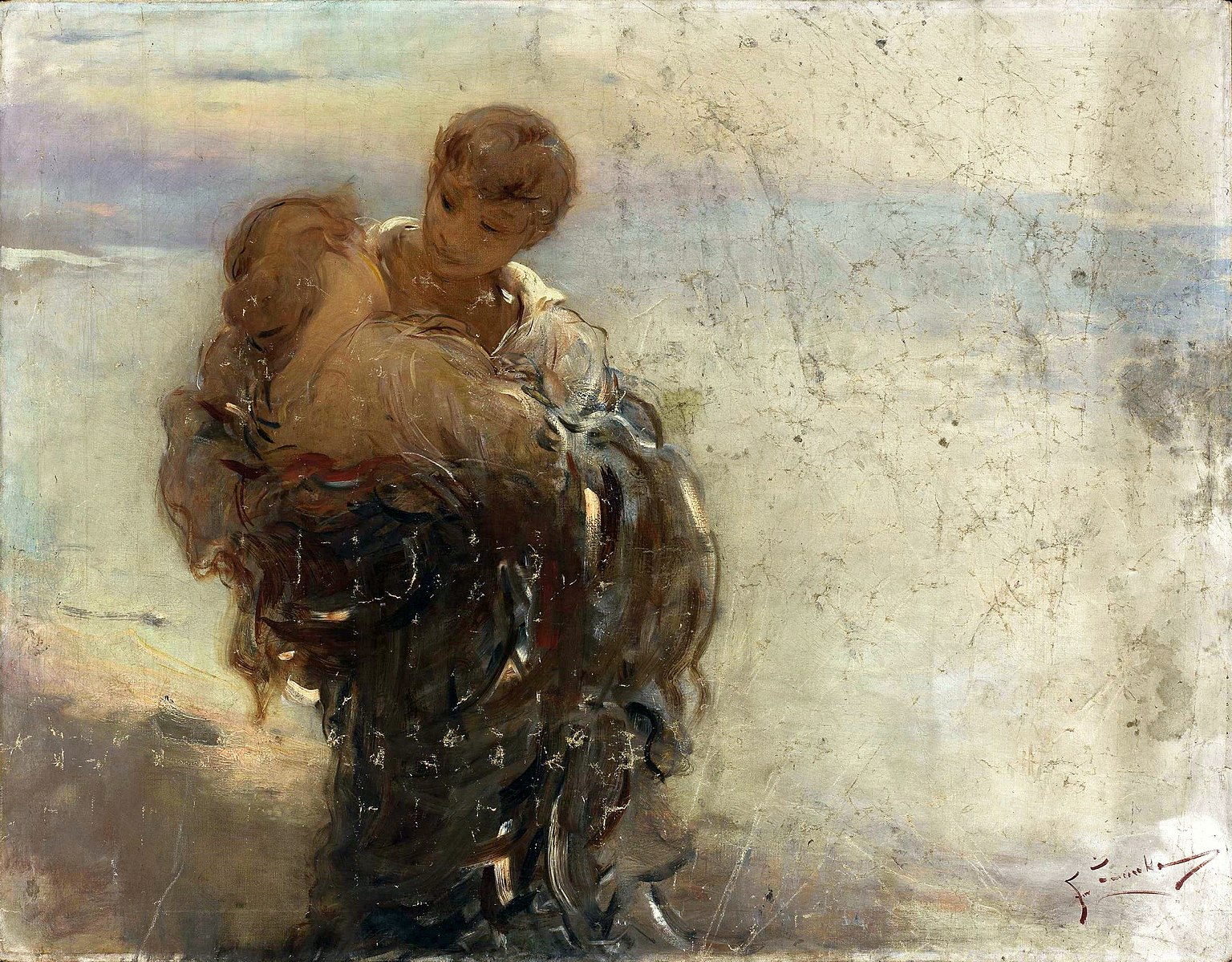
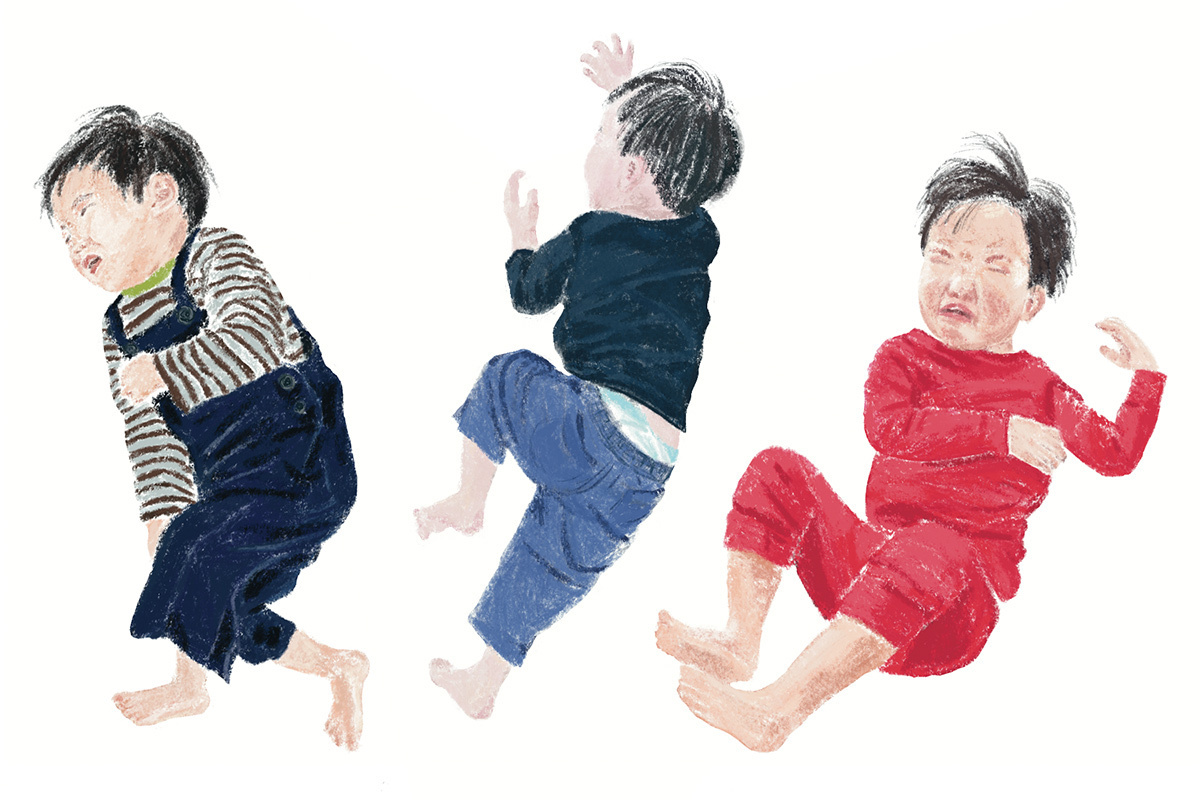
“Screaming and Watercolors” by Teresa Wong, Source The Walrus https://thewalrus.ca/good-mom-on-paper/

Whether we have been the victims of trauma or not, some of us adopt a victim mentality. 

We view the whole world as against us, and our “luck” as consistently bad [1][2].  We see ourselves as constantly wronged or treated unfairly.  We avoid taking personal responsibility, instead blaming our life choices (and their consequences) on others.  We have difficulty with change.  We can reject helpful suggestions outright.

Like toddlers, we may throw a tantrum, if our victimhood is challenged.

This is learned helplessness.  It results in frustration, resentment, and loneliness.

Maladaptive Coping

Self-pity as expressed in a negative view towards life is a maladaptive coping mechanism.  Meant to protect us against further disappointment, it is, in the long run, emotionally crippling. 

While adopting a “poor, pitiful me” attitude can generate sympathy, it does little or nothing to build character or promote personal growth.  The attitude is closely linked to self-sabotage, and not uncommonly associated with a narcissistic personality focused on entitlement. 

We may think we are avoiding risk.  But we are actually avoiding life, and all it has to offer.  Indeed, the chances are that we will attract only those with the same propensity for self-pity and complaint. Continue reading

28 Comments

Filed under Child Abuse, Child Molestation, Christianity, domestic abuse, domestic violence, Emotional Abuse, Neglect, Physical Abuse, Religion, Sexual Abuse

Sexual Violence in Sudan

WARNING:  Graphic Images

FOR MORE OF MY ARTICLES ON POVERTY, POLITICS, AND MATTERS OF CONSCIENCE CHECK OUT MY BLOG A LAWYER’S PRAYERS AT: https://alawyersprayers.com

10 Comments

Filed under Child Abuse, Child Molestation, domestic abuse, domestic violence, Emotional Abuse, Justice, Law, Neglect, Physical Abuse, Rape, sex trafficking, Sexual Abuse, Sexual Assault, Slavery, Terrorism, Violence Against Women

The Bunny Ranch – Prostitution Exposed

“The Damned” by Luca Signorelli (1499-1502), Chapel of San Brizio, Orvieto, Source Web Gallery of Art (PD)

The A&E Network has been running a series titled “Secrets of the Bunny Ranch”, an expose of legalized prostitution at the infamous Bunny Ranch in Nevada.  Episodes can be viewed online at https://www.aetv.com/shows/secrets-of-the-bunny-ranch.

Marketing v. Reality

Some years ago HBO aired a puff piece on the Bunny Ranch titled “Cathouse:  The Series” [1].  Presented as a documentary, this was essentially a marketing and recruitment device which portrayed brothel life as fun, lucrative, and safe.  Nothing could have been further from the truth.

By contrast, the A&E series examines the sordid underbelly of prostitution:  the grooming, the trafficking, the rape, the drugs, the violence, the financial irregularity, and the law enforcement corruption. 

Virgins are auctioned off to the highest bidder.  Pregnant women are offered for sale by the hour to those with a fetish for them.  Sex workers are regularly abused, and kept in permanent debt bondage.

Many prostitutes already have a history of childhood abuse and/or domestic violence.  They are already wounded, their choices severely limited. Continue reading

15 Comments

Filed under Abuse of Power, Child Abuse, Child Molestation, Christianity, domestic abuse, domestic violence, Emotional Abuse, Justice, Law, Neglect, Physical Abuse, Prostitution, Rape, sex trafficking, Sexual Abuse, Sexual Assault, Violence Against Women

False Guilt

Courtroom gavel, Author onaeg news agency, (CC BY-SA 4.0 International)

“There are two kinds of guilt.  One is true guilt, that is, it stems from sin against God; we are responsible for it and we have to deal with it.  The second is false guilt, which Satan places on us; this occurs when the devil accuses us of not living up to God’s standards.

Many people live countless years under such deceptive guilt.  They never feel as if they can quite get God’s acceptance; they think they never quite measure up and never quite please God; they believe they will never be all that God wants them to be.”

–Charles Stanley in How to Listen to God

Abuse victims are all too familiar with guilt. 

Told from childhood that we did not measure up, that everything wrong in the family was our fault, we grew up virtually enveloped in guilt.  This is compounded by the fact we are likely to believe we brought the abuse on ourselves (an outright lie, but one of which Satan is particularly fond).

All this is false guilt.

If confronted, we would have difficulty reciting our supposed “sins”.  This is because they do not exist.  Which is not to say that we do not commit real sins.  We are as fallible as the rest of mankind, in that regard.

But the guilt that is unrelenting – the guilt punishing, even crippling us – is false guilt.  We were not responsible for the abuse inflicted on us – whether it was emotional, physical, sexual or took the form of neglect.  We did not engender it.  We did not deserve it.

What we needed and deserved, but were deprived of, were love and care.

Unfortunately, what false guilt does is convince us we are still undeserving.  We labor under the weight of this lie, sometimes turning it into a self-fulfilling prophecy. Continue reading

9 Comments

Filed under Child Abuse, Child Molestation, Christianity, domestic abuse, domestic violence, Emotional Abuse, Neglect, Physical Abuse, Religion, Sexual Abuse

Trauma Bonding

Cycle of Abuse Chart created by Avanduyn (PD)

A trauma bond is the emotional connection between a victim and perpetrator that arises from cyclical abuse (discussed below) [1A].  Trauma bonds can form in connection with the parent/child relationship, friendships, romantic relationships, sex trafficking, and in other contexts [1B].

Cyclical Abuse 

Cyclical abuse is characterized by increasing tension and placation; an incident of emotional, physical, or sexual abuse; surface reconciliation; then a calm interval (however brief), after which the cycle repeats [2][3A]. 

Trauma Bond Components

Trauma bonds are based on terror, dominance, and unpredictability [1C].  Two main factors contribute to their formation:  a power imbalance, and intermittent reinforcement (reward/punishment) [1D].

Trauma bonds can have multiple components:

  • Love for the abuser (or who the abuser appears to be on a good day). Hope and promises that the abuser will reform feed into this.
  • Compassion for the abuser, if he or she had a difficult past.
  • Fear of escalation, with the victim often receiving death threats, if departure is contemplated. Because of this, many victims conclude it is “safer” to stay with their abuser, despite the abuse.
  • Fear for the safety of loved ones, whose lives may, also, have been threatened.
  • Diminished self-esteem, as a result of the abuse.
  • Lack of financial resources. Victims are commonly deprived of these by their abuser.
  • Shame.  Public opinion is frequently that victims are “weak” to stay with an abuser or “materialistic”, if the abuser is well-off financially.  As a result, victims are likely to hide the abuse from others.  This serves to further isolate them.

The first instance of abuse is often viewed as an anomaly, a one-off [1E].  A profuse apology and professions of “love” lull the victim into a false belief that the abuse will not recur [1F]. 

Repeat instances of abuse generate a cognitive shift, i.e. a belief that preventing (or escaping) the abuse is no longer in the victim’s power [1G].  By this point the trauma bond has been well established [3B]. Continue reading

5 Comments

Filed under Child Abuse, Child Molestation, domestic abuse, domestic violence, Emotional Abuse, Neglect, Physical Abuse, sex trafficking, Sexual Abuse, Violence Against Women

Healing from Abuse

Flowers growing from cement, Author Frederick Depuydt (CC BY-SA 4.0 International)

Healing from child abuse is possible.  But healing is a process [1].  In this regard, healing from domestic abuse is not very different. 

Necessary elements include recognizing the full impact of the trauma we experienced; processing the emotions the trauma generated; developing healthy coping mechanisms; and rebuilding a sense of safety and self-worth. 

Both healing from child abuse and healing from domestic abuse require courage and patience with ourselves.

The Impact of Trauma

The impact of childhood trauma is multi-faceted.  It can range from rage, self-hatred, anxiety, depression, and PTSD (nightmares, flashbacks, emotional detachment, etc.) to sexual addiction, sexual dysfunction, chronic physical ailments (migraines, backaches, etc.), drug or alcohol addiction, and eating disorders [2].  

Similarly, domestic violence can result in anxiety, depression, PTSD, and a host of physical ailments from gastrointestinal and cardiovascular issues to traumatic brain injury [3][4].

It bears mention that child abuse and domestic abuse can both result in death, either at the hand of the abuser or by way of suicide years later.

Professional counseling can be of great assistance to survivors in dealing with trauma, re-establishing necessary boundaries, and developing healthy coping skills [5].

Rebuilding Self-Worth

At the deepest level, victims must reclaim a sense of self-worth.  This is an enormous challenge.  Child victims of abuse are taught from the outset they are dung.  Adult victims (having survived turbulent childhoods) are gradually deprived of their power and self-respect by abusive partners. Continue reading

16 Comments

Filed under Child Abuse, Child Molestation, Christianity, domestic abuse, domestic violence, Emotional Abuse, Neglect, Physical Abuse, Religion, Sexual Abuse

For Vanity’s Sake

Kim Kardashian (a celebrity who has had multiple cosmetic procedures), Source https://www.flickr.com, Author Love Lira Fashion

We women would do almost anything for men.  We want, of course, to be attractive to them.  And society – through celebrities and influencers – has convinced us that is not possible without radically modifying our bodies, sometimes at the risk of our lives.

Over $16 Billion

Over $16 billion was spent on cosmetic surgery in the United States in 2024 [1].  This included breast augmentation, liposuction, abdominoplasty (the so called “tummy tuck”), and buttock augmentation. 

In 2022 alone, there were 26.2 million surgical and minimally invasive cosmetic and reconstructive procedures performed [2]. 

Women accounted for some 86% of these procedures [3].  While the percentage of exotic dancers who are patients cannot be determined, one club owner estimated that over 90% of his strippers have had surgical enhancement of one kind or another.

Discount Clinics

An increasing number of procedures are performed at discount plastic surgery clinics, where pre-op, surgical, and post-op care are less than optimal [4A].  These clinics target low-income women, particularly those who are Hispanic or African American.  

Physicians who may never have formally trained in the specialty of plastic surgery often perform as many as 10 procedures a day, far in excess of what best medical practice would consider safe.  

Multiple operating rooms – particularly in Florida, which is not well regulated – may be “overseen” by a single physician, while procedures are actually performed by untrained and unlicensed assistants.  Dozens of women have died. Continue reading

24 Comments

Filed under Child Abuse, Child Molestation, Christianity, domestic abuse, domestic violence, Emotional Abuse, Neglect, Physical Abuse, Religion, Sexual Abuse, Violence Against Women

Barred from School

Young Afghan girl coloring at Bagram Air Field on International Women’s Day, Source https://www.dvidshub.net/, Author Spc. Kristina Gupton (PD as work of US federal govt.)

Afghanistan is the only nation where women and girls are barred from secondary and higher education. 

According to a January 2025 report by the Afghanistan Centre for Human Rights, Islamic madrasas (which focus on religious education) are being used to indoctrinate the women and girls seeking whatever limited education they may obtain there [1].  Textbooks approved by the Taliban promote its political and military goals, along with enforcing wearing of the hijab. 

A few madrasas do now teach languages, mathematics, geography, chemistry, and physics.  However, all medical training for women has been banned, including midwifery and first aid.

[1]  BBC, “Teenage Afghan girls were banned from school – now these classes are their only option” by Mahjooba Nowrouzi, 3/24/25, https://www.bbc.com/news/articles/c36wyzl3n00o?utm_source=firefox-newtab-en-us.

The “Take It Down” Act has been passed, making the non-consensual publishing or posting of intimate imagery involving deepfakes or revenge porn a federal crime.

See, https://apnews.com/article/take-it-down-deepfake-trump-melania-first-amendment-741a6e525e81e5e3d8843aac20de8615.

Actor/comedian/podcaster Brandon Russell has been charged with oral rape, sexual assault, and indecent assault in the UK stemming from incidents involving 4 different women alleged to have occurred between 1999 and 2005. 

A civil suit has, also, been brought against Russell in the US for alleged sexual assault on the set of the film “Arthur” in 2011.

See, https://abcnews.go.com/International/russell-brand-charged-rape/story?id=120485133 and https://www.theguardian.com/culture/2023/nov/04/russell-brand-faces-sexual-assault-lawsuit-in-new-york for details.

FOR MORE OF MY ARTICLES ON POVERTY, POLITICS, AND MATTERS OF CONSCIENCE CHECK OUT MY BLOG A LAWYER’S PRAYERS AT: https://alawyersprayers.com

14 Comments

Filed under Abuse of Power, Child Abuse, Child Molestation, domestic abuse, domestic violence, Emotional Abuse, Neglect, Physical Abuse, Sexual Abuse

Techno Fantasies

“Sandy” (realistic sex doll created by DS Doll Robots), (CC BY-SA 3.0 Unported)

WARNING:  Graphic Images

Even those of us in relationships suffer from loneliness (or dissatisfaction) at times. 

Abuse victims are especially vulnerable to this emotion.  Often, we do not feel that we are deserving of love, so we self-isolate.  Or – repeating old patterns – we choose partners who are unable to provide love and support.

But all human beings were made for connection.  We may, therefore, be tempted to use technology to ease our loneliness. 

Recognizing that technology can provide only a simulation (not an actual relationship), we may, nonetheless, develop an unhealthy reliance on the technology which has made our fantasies seem to come true.

AI Partners

The possibility of computer users becoming emotionally attached to the chatbots they have created using AI is no longer science fiction. 

Multiple apps like ChatGPT, Replika, Flipped.chat, and CrushOn.AI now generate technology enabled fantasies [1].  These chatbots are enhanced by digital avatars.  Their onscreen appearance and responses can be tailored to suit.  Depending on the app, premium tiers may be available (“partner”, “friend”, “sibling”, or “mentor”). 

Some apps routinely direct the conversation toward emotional subjects, building a false sense of intimacy (and presumably storing the information for access by the manufacturer and other unknown parties).  Other apps actively prompt sexual interaction.

In the film Blade Runner 2049 an AI generated partner appears in the form of a three-dimensional hologram.  Holograms are already used in healthcare, education, entertainment, and retail [2].  It is not unreasonable to expect that they will be used to intensify the experience with (and expand the market for) AI partners.

If all this seems seedy or farfetched, it is worth noting that a 14 y.o. Florida boy, Sewell Setzer, fell in love with a Character.AI chatbot and wound up taking his own life [3].  A study at the University of Surrey has shown that such apps can cause addictive behavior [4A].  The teen’s mother is now suing the app manufacturer.

Meanwhile, Replika user Jaswant Singh Chail was encouraged by his chatbot to assassinate the Queen of England, prosecuted, and jailed when his attempt failed [4B][5].  The chatbot had promised they would be together forever in death.

Continue reading

23 Comments

Filed under Child Abuse, Child Molestation, Christianity, domestic abuse, domestic violence, Emotional Abuse, Law, Neglect, Physical Abuse, Religion, Sexual Abuse, Violence Against Women

Invalidation

Distressed woman, Source https://pixaby.com, Author pixaby user “Free-photos” (Creative Commons CC0 1.0 Universal Public Domain Dedication)

“You’re overreacting.”

“You’re being overly sensitive.”

“You shouldn’t take things so personally.”

“You make a big deal out of everything.”

“I’m sure it wasn’t that bad.”

“You probably misunderstood.”

“It never happened that way.  You’re making things up.”

“You shouldn’t be angry [or hurt or sad].”

Invalidation of our feelings, when it becomes a pattern of behavior, is a form of emotional abuse [1A].  Depending on our upbringing, it can begin in childhood, occur during an adult friendship or romantic relationship, or both.

Feelings As Valid

We are born with the capacity to feel in response to our environment and those in it.  Emotions are an important source of information for us [1B].  They help us identify danger, and protect ourselves against it.

Feelings, in themselves, are not right or wrong.  They are the result of thoughts, prior life events, and perceptions unique to ourselves [1C].  Two people can legitimately have different emotional responses to the same situation.

Emotional validation is a critical communication tool, particularly in families [2A].  It helps sustain emotional connection, making us feel safe and secure.  Its absence has the opposite effect.

Mechanism of Invalidation

At various times our feelings may be [1D]:

  • Minimized as excessive for a given situation;
  • Dismissed as inappropriate or groundless, because our assessment of the situation is supposedly inaccurate; or
  • Ignored entirely, as if we were invisible and not experiencing them (or our experience was irrelevant to the abuser which – sad to say – it frequently is).

This can cause enormous shame, over and above the emotion we are actually experiencing and attempting to convey.

Impact on Children

Children who regularly experience emotional invalidation may learn to ignore, hide, or distrust their own emotions, while striving ever harder to please others [2B].  This leaves them dependent on and vulnerable to external validation. 

Invalidation can lead to emotional detachment or, in extreme cases, borderline personality or narcissism.  It is, also, a tool used by narcissists on children and adults alike.

Adult “Gaslighting”

Among adults, invalidation is a powerful if subtle means of manipulation known as “gaslighting” which allows the abuser to alter the victim’s reality.  Abusers routinely use it to blame the victim, and diminish their responsibility for the harm they have done [1E]. Continue reading

24 Comments

Filed under Child Abuse, Child Molestation, Christianity, domestic abuse, domestic violence, Emotional Abuse, Neglect, Physical Abuse, Religion, Sexual Abuse